
The scale of the shift is stark. Since 2024, of the six foreign-based companies that listed their Indian units, only one included new funding. The rest utilized the 'offer for sale' structure, effectively turning public listings into private liquidity events. For every dollar raised in these combined offerings, approximately $59 was funneled out of the country. Giants including Hyundai Motor and LG Electronics account for the lion's share of these outflows, with planned listings from Coca-Cola, Carlsberg, and Walmart’s Indian payments arm expected to follow the same path.
Foreign Giants Use India’s IPO Boom to Quietly Export Capital
Global corporations are flocking to Mumbai’s stock exchange, but not to fuel local expansion. Instead of raising fresh capital for Indian operations, foreign parents are using initial public offerings as exit ramps, pocketing nearly $5 billion by selling off existing stakes to domestic investors while repatriating the proceeds to headquarters.
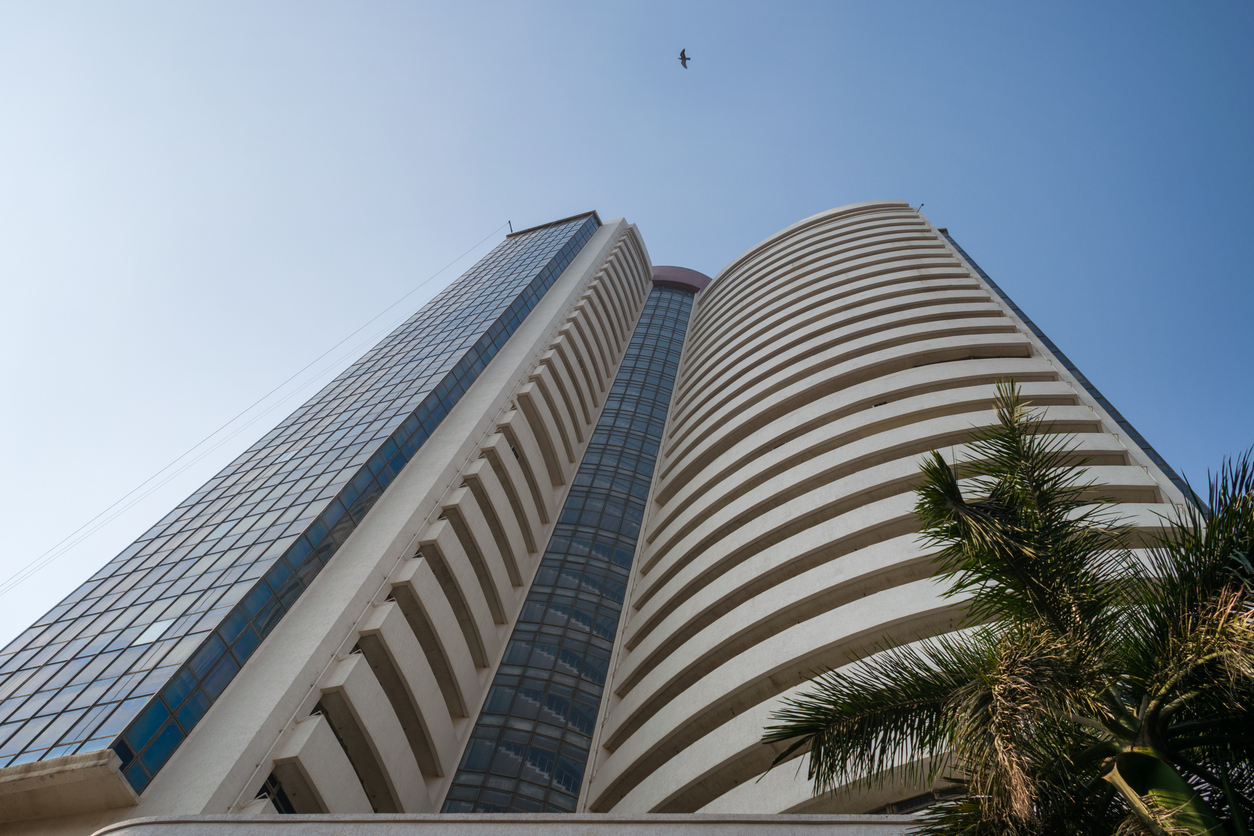
Bankers point to a valuation arbitrage as the primary driver. Indian subsidiaries often trade at massive premiums compared to their overseas parents, making it far more lucrative for firms to monetize their holdings than to reinvest in local growth. Nestle India, for instance, trades at a price-to-earnings ratio of 77, dwarfing the 22-times multiple of its Swiss parent. This trend is complicating the economic landscape for the Indian rupee, which has faced sustained pressure from heavy foreign capital outflows. While government officials have expressed concern that these listings are becoming exit vehicles rather than engines for long-term development, the rush to capitalize on India’s high-valuation market shows no signs of slowing.




Comments (0)
No comments yet. Be the first!